Luijckx Historisch Onderzoek NL

History is who we ARE.

In turbulent times, when our past means more and more but is increasingly written by computers, a human is your best friend. A human who knows the past can help you further. As a freelance historian I do the research myself, from the first box to the last sentence. The writing is personal and made by a human, not by a computer.

Justus Luijckx, smiling in front of the Pantheon in Rome

Who am I?

About me

Hi, I’m Justus!

I describe myself as a historical maker. That means I am able to contribute to anything in which (academic) history is involved. I studied History at the University of Groningen, where I earned my MA in History and Heritage Consultancy. I recently got started with research work and began my career as a freelancer. As a historical researcher and writer, I translate (archive) sources into clear, accessible texts, so that knowledge of the past is preserved in the present.
Read more about Hi, I’m Justus!

My services

Read more

Research

History is full of stories that want to be told. I dig them up, unravel them, and write them in a way that sticks. From well-known resistance heroines to dust-speckled archives: nothing is too complex to put on paper clearly and compellingly.

Read more about Research

Writing

Sometimes it is hard to put your own ideas into words. As a freelancer I am available for a wide range of writing jobs. Historical or not, the writing is smooth, funny and precise.

Read more about Writing

Speaking

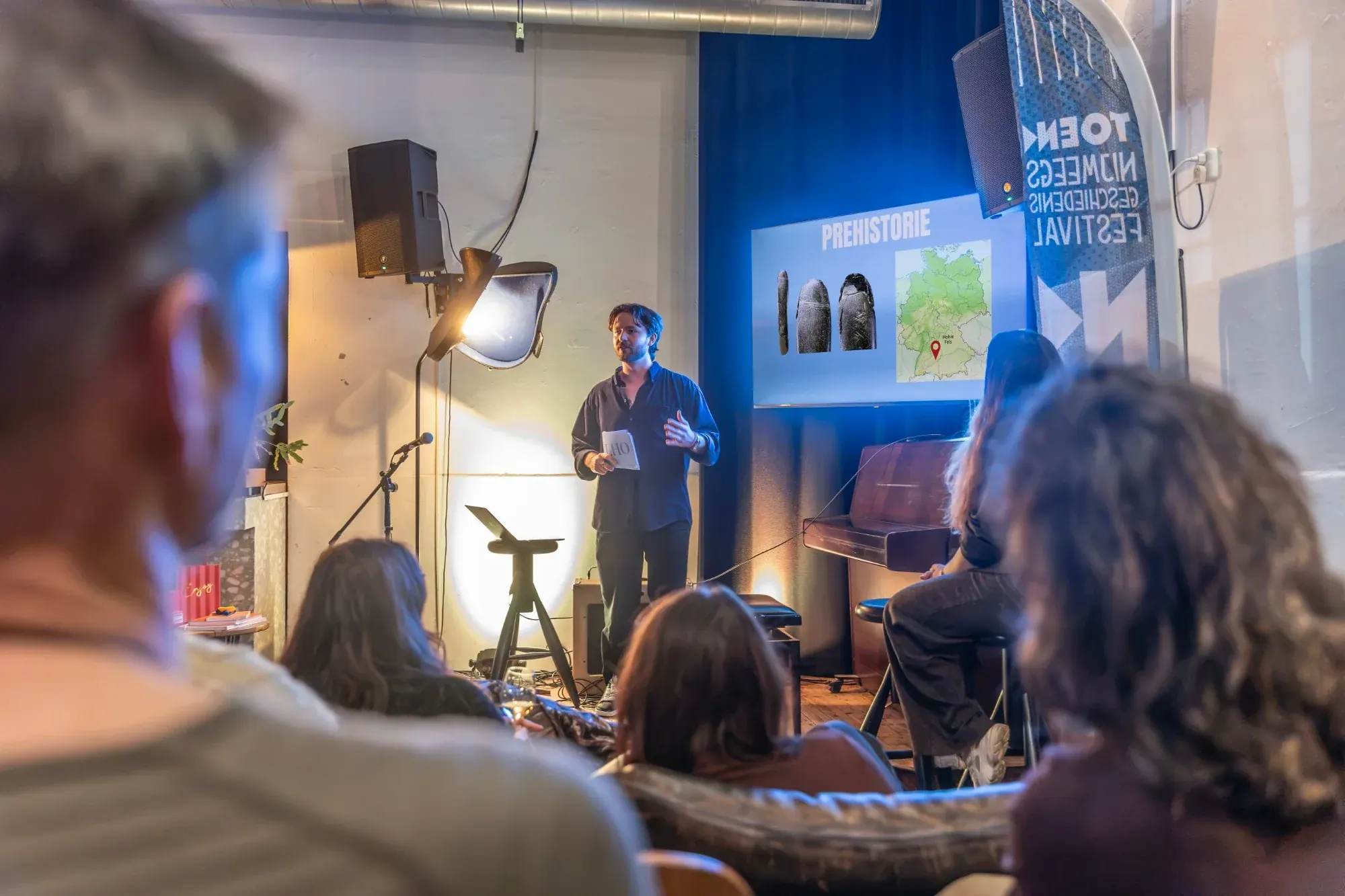
Words are not only for paper. As a historian I am available to give lectures, talks or presentations, and I am also able to act as a chair for your event.

Read more about Speaking

How does cultural history work?

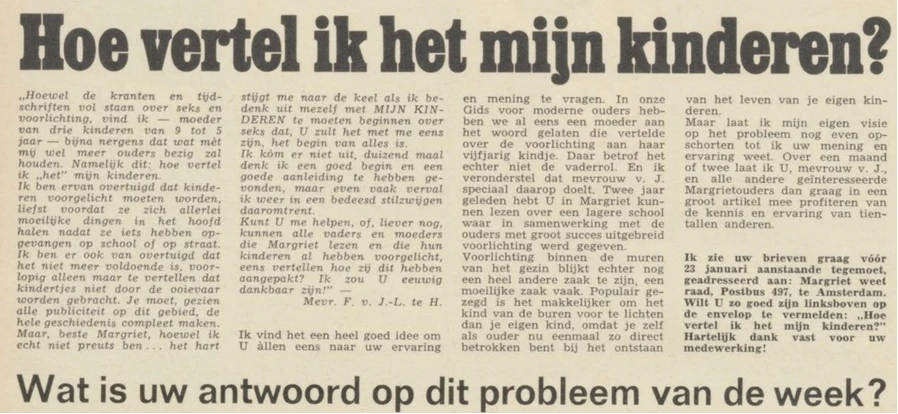
People often ask me what cultural history actually is. Broadly speaking: cultural history is the study of the way people in the past gave and added meaning and values to their lives and to society. Another question usually follows right away: what am I supposed to picture? Below I show an example: an archive source from the popular magazine Margriet from the 1960s, which does not explicitly refer to the sexual revolution, but in which you can see that it was taking place at that moment.

Source

Although the newspapers and magazines are full of sex and sex education, I – mother of three children aged 9 to 5 – can hardly find anywhere a word about what (sic.) surely occupies many more parents besides me. Namely this: how do I tell my children “it”. I am convinced that children must be informed, {…} But, dear Margriet, although I am truly not prudish… my heart leaps into my throat when I think that I should start on my own with MY CHILDREN about sex which, you will agree with me, is the beginning of everything.

From: Margriet, no. 2 (1968), 13 Jan 1968, (Amsterdam: De Geïllustreerde Pers, 1968), 84.

Note: text was originally in Dutch but has been translated for illustrative purposes.

Text

In the weekly column “Margriet weet raad” (“Margriet knows best”), an expert from Margriet’s editorial staff answered a wide range of questions, from money worries to extramarital affairs and loneliness. In 1968 a certain Mrs F. v. J.-L. asked the following question: “How do I tell my children?” What matters in this question is the “how”. Mrs F. wondered how she was supposed to tell her children, and apparently she was not the only one asking, since she felt too little attention was being paid to it. She did not get a clear answer either. Instead, readers were encouraged to send in letters from parents who had already taken on the task of explaining things to their children. It is remarkable that Margriet devoted relatively much attention to the subject. This proves that since the 1960s sex was truly the order of the day, and that even the big women’s magazines dared to discuss it quite openly.

Collaboration at a high level

Project Anda Kerkhoven 2.0

My biggest project so far is a large-scale study of the Groningen resistance fighter Anda Kerkhoven, carried out in collaboration with the University of Groningen and the Oorlogs- en Verzetscentrum Groningen (Groningen War and Resistance Centre).

Client
DeFacto Cultuurfonds, in collaboration with the Oorlogs- en Verzetscentrum Groningen and the University of Groningen
Period
October 2025 – September 2026
Archive
Centraal Archief Bijzondere Rechtspleging (Central Archive for Special Jurisdiction), Groninger Archieven, many private archives
Result
An extensive website based on verifiable sources, original writing and oral history. Broad historical research at its best: everything that could be used as a source was used as one.
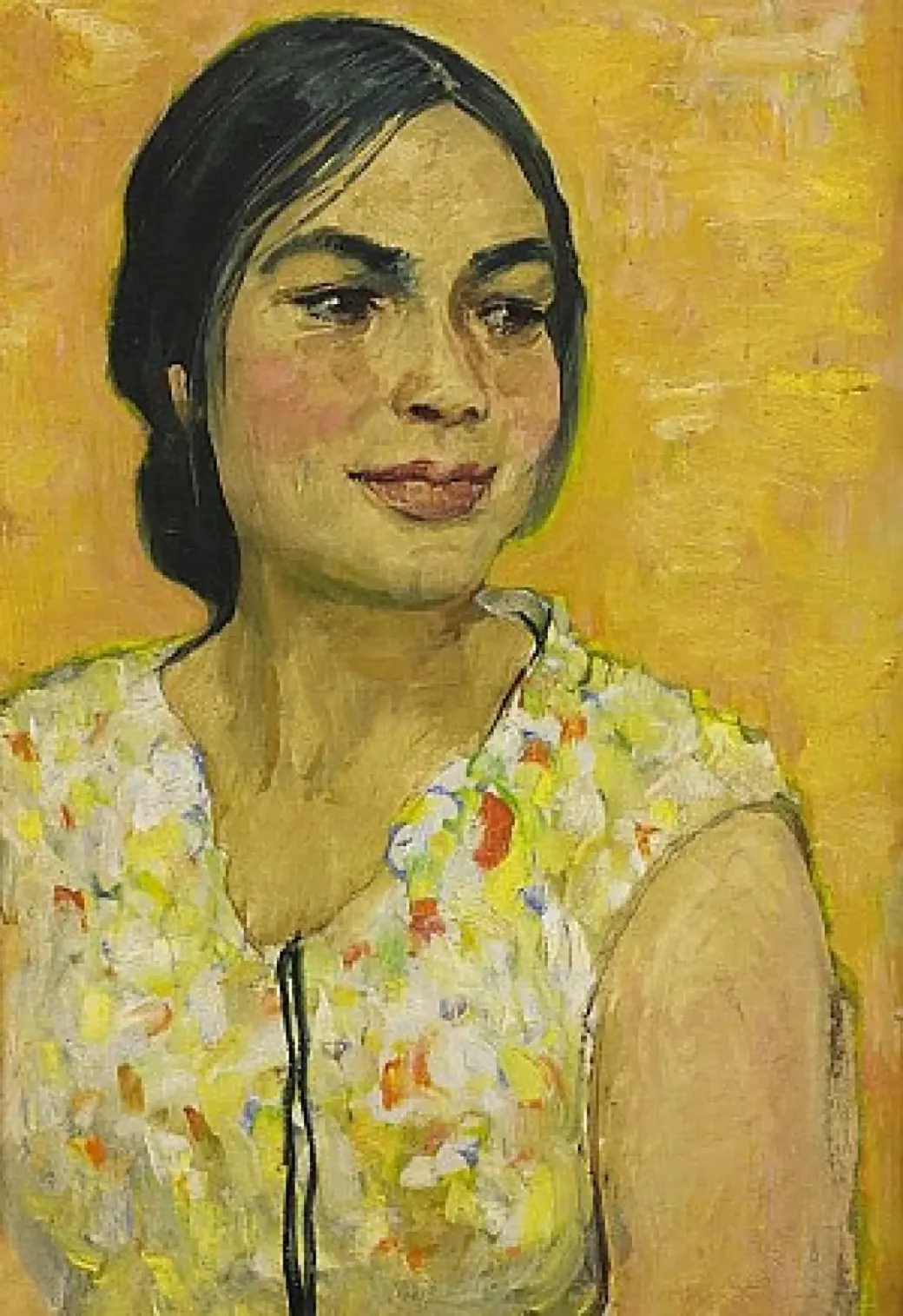
Painting: portrait of a young woman with dark hair pulled back, in a light floral blouse against a yellow background
1 / 2

Let’s write history together.

“The whole art of speaking is: being understood.”

Confucius (Chinese philosopher)

An MA in History and Heritage consultancy and an experienced researcher who is not afraid to speak in front of an audience. Widely deployable, tremendously enthusiastic. Detail-oriented, with clear communication.

Send a message

Interested? Get in touch!

If you think we can make something beautiful together, please do get in touch with me.

Prefer email? justus@luijckx.me

Or call: +31 6 37 00 96 57

Also on LinkedIn & Ondernemers in Geschiedenis